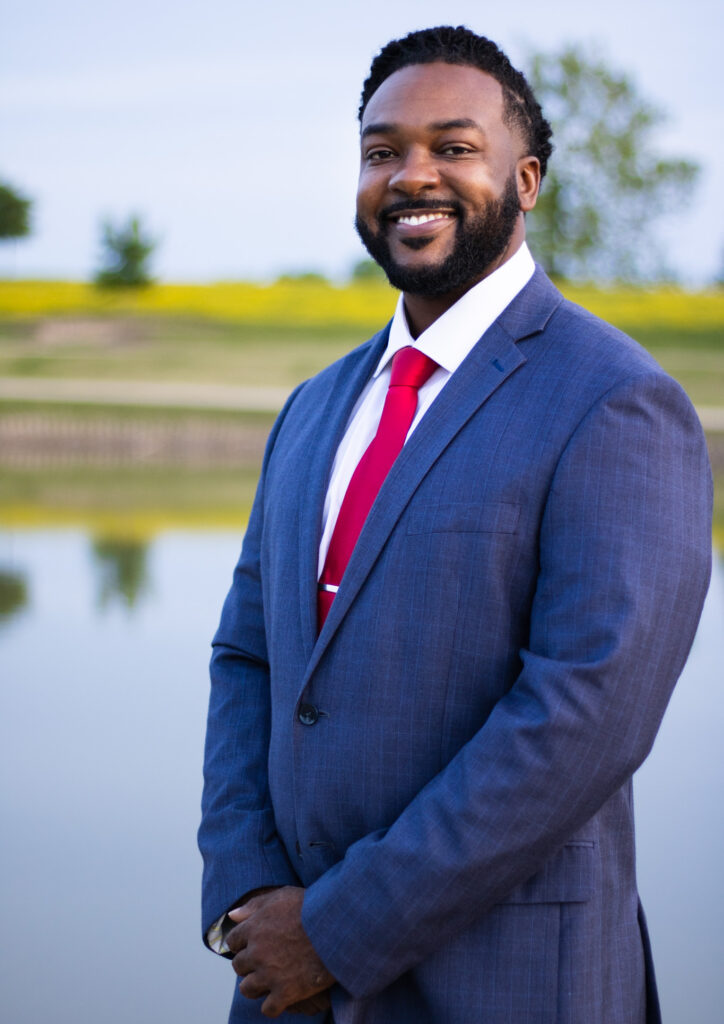


Meet Mister Futch
A Civic Engineer for Tennessee Communities
Mister Futch is a civic engineer focused on strengthening the everyday systems that shape real life—families, neighborhoods, schools, local economies, and community trust. His work centers on helping people understand how policy, business, and civic structures intersect with daily decisions and long-term outcomes.
Rather than approaching leadership through ideology or performance, he emphasizes practical education, presence, and measurable impact. Sustainable progress happens when people understand not only what decisions are made, but how those decisions affect their safety, finances, health, and opportunities.
The Civic Engineer Philosophy
A civic engineer studies systems the way an engineer studies infrastructure: identify weak points, reinforce foundations, and design solutions that last.
For Mister Futch, that means addressing root causes—family stability, education pathways, economic literacy, healthcare readiness, and community trust.
Civic engagement is not limited to institutions. It’s a daily practice: how we parent, how we support youth, how we build neighborhood standards, and how we work together across differences. Communities become safer and more resilient when people are informed and equipped.
-Photo voting registrations
Community Work & Experience (EEAT Boost)
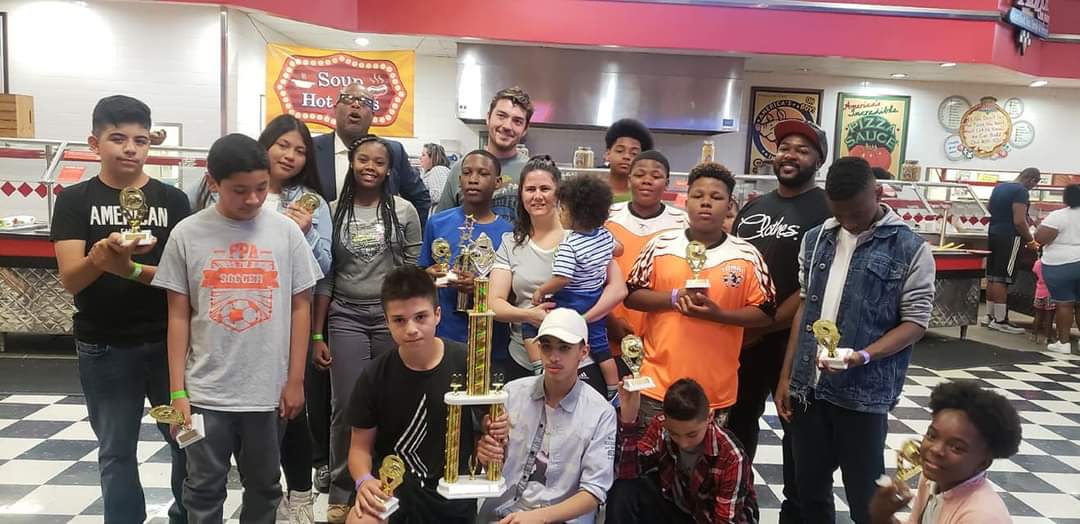
Mister Futch’s civic work is shaped by nonprofit leadership, consulting, and financial education. Through his affiliation with The Teen Expo, he supports youth development, workforce readiness, and exposure to opportunity pathways during critical life transitions.
Through For The Future Consulting Partners, he contributes to strategic planning and community-driven solutions that help organizations serve people more effectively. In partnership with Herron & Associates, he supports practical financial literacy and tax education—because economic understanding is a cornerstone of stability for households and small businesses.
Vision for Tennessee Communities
Mister Futch envisions Tennessee communities where public safety begins with strong households, opportunity is strengthened through education and training, healthcare readiness is proactive, and local control is protected through informed civic participation.
Leadership in this vision is accessible: it listens first, responds thoughtfully, and builds trust over time. The goal is not attention—it is alignment, accountability, and progress that people can feel in daily life.